


Introductions
A camping mess kit is an essential item set for campers. This set can be compared to a kitchen countertop in that it comprises all of the instruments needed for making and serving meals at home. Similarly, the camping mess kit can be regarded of as a collection of all the items required for preparing and serving food when camping. Both the kitchen countertop and the camping mess kit feature the equipment needed to meet basic needs and are intended to make life easier.
Important factors to selecting a camping mess kit
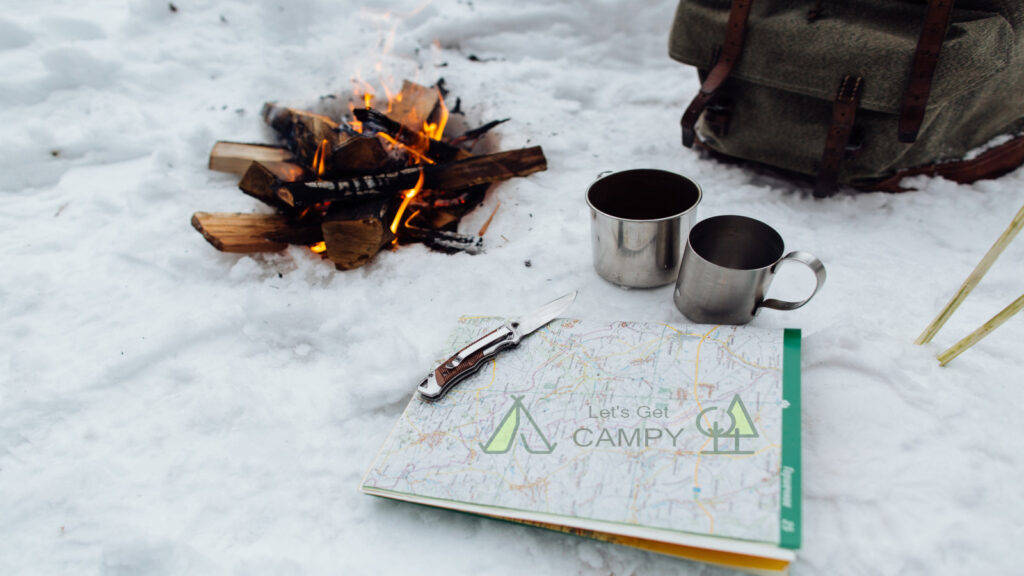
- Material: Camping mess kits are typically made of steel, aluminum, or titanium. Steel and titanium are more sturdy and long-lasting, but they are also heavier. Aluminum is a lighter but softer substance. The material you choose will be determined by your requirements and budget.
- Size: Camping mess kits come in a variety of sizes, usually enough for 2-4 people. The size you choose will be determined on the amount of people camping and your demands.
- Portability: The portability of the camping mess kit is vital when camping. The set should be lightweight, compact, and portable. Some packages may also include specific carrying bags or cases.
- Extras: Some camping mess kits may include extras such as pot lids, pan handles, knives, and forks/spoons. These extra features can make cooking and serving meals easier while camping.
- Cleaning: Camping mess kits should be simple to clean. The set should be dishwasher safe or easy to clean by hand.
- Price: The cost of a camping mess kit varies according to its quality, size, and added features. It is critical to make a decision that is within your financial constraints.
A standard camping mess kit should include the following items
- Pots and pans: A set of 1-2 pots and pans of varying sizes is required for preparing meals when camping.
- Plates and bowls: For serving food, sturdy plates and bowls made of plastic or metal are required.
- Cups and mugs: Insulated cups or mugs are essential for drinking hot beverages when camping.
- Utensils: Forks, spoons, and knives are required for eating and preparing meals. Cooking implements include a spatula, ladle, and serving spoon.
- Cutting Board: A little cutting board is excellent for chopping vegetables and other things.
- Dish towels: Dish towels can be used to clean and dry dishes.
- Cleaning supplies: A tiny sponge or brush and biodegradable dish soap are required to clean the mess kit.
- Carrying case: A small carrying case or bag can be used to store and transport the mess kit.
In addition to these essential goods, some camping mess kits may include extras such as pot lids, pan handles, or extra utensils.
Common mistakes to avoid
- Choosing the incorrect size: It is critical to select a kit that is appropriate for the number of people camping. A tiny kit can make meal preparation difficult, while a large kit can reduce portability.
- Choosing low-quality materials: A kit made of lower-quality materials will be less durable than a kit made of higher-quality materials.
- Ignoring portability: It is critical to select a kit that is lightweight, portable, and small. Otherwise, carrying the kit will be difficult.
- Choosing based on pricing rather than needs: While price is important, you should also choose a kit that meets your needs.
- Not taking into account cleaning ease: The kit should be simple to clean. It should be easy to clean by hand or dishwasher safe.
- Focusing on extra features that do not meet basic needs: While some extra features may be useful, focusing on features that do not meet basic needs may result in unnecessary expenditures.
Cleaning a camping mess kit
- Allow the kit to cool after cooking: Allow the kit to cool after cooking. A heated kit might cause surface damage or burns on your hands.
- Remove food residues: Using a spatula or spoon, remove any food residues from the kit and discard them.
- Use soap and water: Using hot water and dish soap or detergent, clean the pots, pans, plates, cups, and all other parts of the kit. Make certain that the soap or detergent you use is biodegradable.
- Use a dish brush: Scrub away any leftover food remnants using a dish brush.
- Rinse: Rinse all of the kit’s components with clean water and air dry. Make sure there is no soap or detergent residue in the water.
- Dry: Allow the kit parts to air dry in a well-ventilated area after thoroughly drying them.
Camping mess kits are often not dishwasher safe, necessitating hand washing.
Have a nice cooking 🙂


